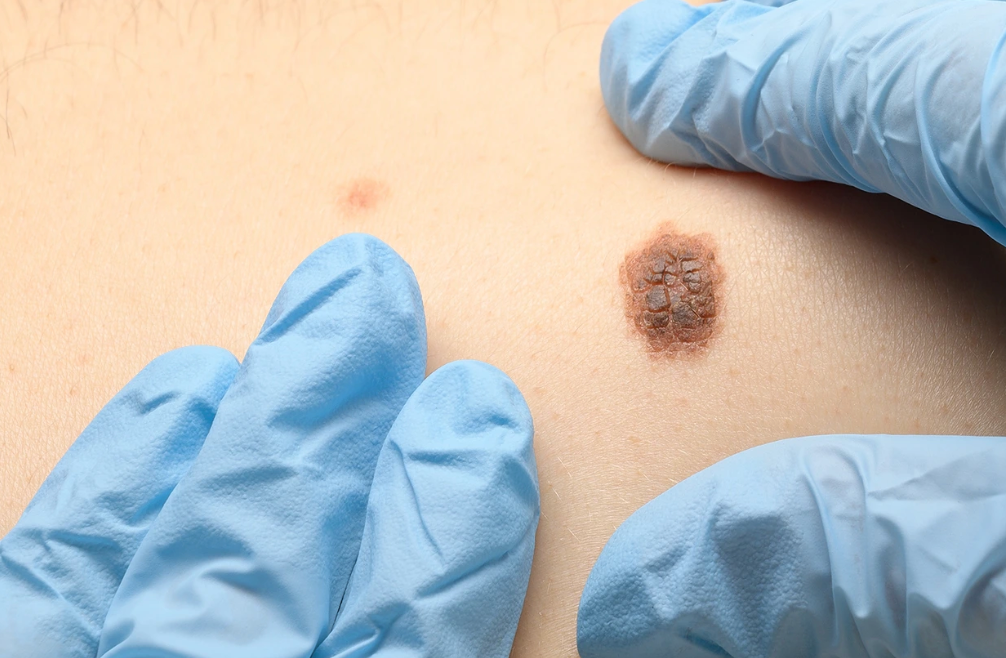
7 Key Signs of Skin Cancer You Should Never Ignore

Skin cancer is the most common type of cancer worldwide, yet many people miss the early warning signs. The good news is that when detected early, most forms of skin cancer can be treated successfully. Paying attention to unusual changes in your skin can make a life-saving difference. The three most common types of skin cancer are melanoma, basal cell carcinoma, and squamous cell carcinoma. While they can appear in different ways, many cases begin with subtle skin changes that are easy to overlook. Knowing what to watch for can help you take action early and protect your health.
A Mole That Changes in Shape, Size, or Color
One of the most important warning signs of skin cancer is a mole that begins to change. Dermatologists often use the ABCDE rule to identify suspicious moles:
- A – Asymmetry: One half of the mole looks different from the other.
- B – Border: The edges appear irregular, jagged, or blurred.
- C – Color: The mole contains multiple colors such as brown, black, red, white, or blue.
- D – Diameter: The spot is larger than about 6 millimeters (roughly the size of a pencil eraser).
- E – Evolving: The mole changes in size, color, elevation, or shape over time.
These types of changes are commonly associated with melanoma, the most serious form of skin cancer.
A New Spot That Appears Suddenly
While many people focus on existing moles, melanoma often develops as a new spot on the skin. If you notice a new mole or mark—especially one that looks different from others—it should be evaluated by a healthcare professional. Dermatologists sometimes refer to this as the “ugly duckling” sign, meaning the spot looks noticeably different from the rest of your moles.
A Sore That Won’t Heal
A persistent sore that bleeds, crusts, or reopens repeatedly can be a sign of skin cancer. These sores may appear minor at first but refuse to fully heal even after several weeks. Non-healing sores are frequently linked to basal cell carcinoma or squamous cell carcinoma. If a spot continues to scab, bleed, or stay open longer than a month, it’s important to get it checked.
A Shiny or Pearly Bump
A small bump that looks shiny, pearly, or translucent may also signal skin cancer. These bumps can appear pink, white, or skin-colored and may develop tiny visible blood vessels on their surface. This appearance is typical of basal cell carcinoma, the most common form of skin cancer. Although it grows slowly, it still requires medical treatment to prevent tissue damage.
A Rough or Scaly Patch
Another warning sign is a rough or scaly patch of skin that feels dry, crusty, or tender. These areas may be red, pink, or brown and often feel similar to sandpaper. Such patches can sometimes be actinic keratosis, a precancerous condition caused by long-term sun exposure. Without treatment, actinic keratosis can develop into squamous cell carcinoma.
A Mole That Itches, Hurts, or Bleeds
Most normal moles don’t cause discomfort. If a mole begins to itch, become painful, bleed, or ooze fluid, it should be evaluated promptly. These symptoms can occur when cancerous cells irritate surrounding skin tissue. While irritation alone doesn’t always mean cancer, it is a sign that the mole needs medical attention.
A Dark Streak Under a Nail
Skin cancer can also develop in places many people rarely check, including under the fingernails or toenails. A dark vertical streak or line beneath the nail that widens over time can be a warning sign of a rare form of melanoma called subungual melanoma. If the discoloration spreads to the surrounding skin or appears without any injury, a doctor should examine it as soon as possible.
When to See a Doctor
You should consider seeing a dermatologist if you notice:
- A mole that changes in appearance
- A new or unusual spot on your skin
- A sore that does not heal after several weeks
- A lesion that bleeds, itches, or becomes painful
Early detection dramatically increases the chances of successful treatment.
Protecting Your Skin
While not all skin cancers can be prevented, there are several steps you can take to reduce your risk:
- Wear broad-spectrum sunscreen with SPF 30 or higher every day
- Avoid tanning beds and excessive sun exposure
- Wear protective clothing, hats, and sunglasses outdoors
- Perform monthly skin self-examinations
- Schedule regular skin checks with a Dermatologist if you are at higher risk
Your skin often provides early warning signs when something isn’t right. Paying attention to unusual changes—whether it’s a new mole, a non-healing sore, or a rough patch—can help you catch skin cancer early when it is most treatable. If you ever feel uncertain about a spot on your skin, it’s always safer to have it checked. Early action can make all the difference. So, look no further than Lumen Dermatology, a premier destination for advanced skin care and dermatology expertise. Our modern, state-of-the-art facility combines the latest technology with a patient-focused approach to ensure every individual receives exceptional care. At Lumen Dermatology, we create personalized treatment plans tailored to each patient’s unique skin needs. Our compressive services include thorough skin cancer exams followed by both invasive and noninvasive treatment options tailored to each patients specific skin condition. With experienced professionals and a commitment to compassionate care, Lumen Dermatology strives to build lasting relationships while helping patients achieve healthy, radiant skin. Call us at 352-830-1500 for your consultation today!