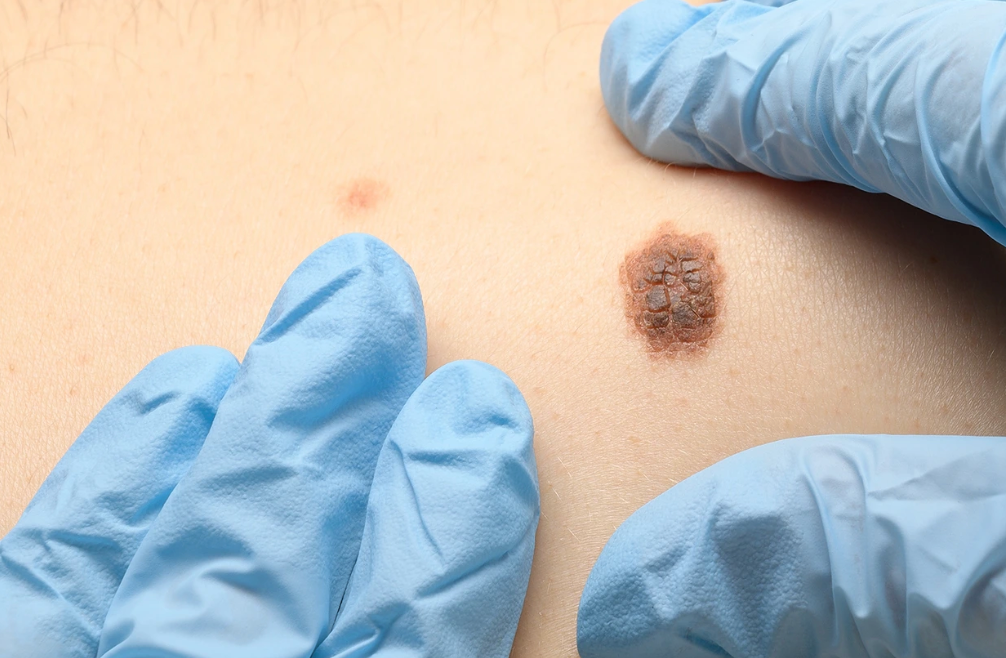
The Benefits of SRT as a Non-Surgical Alternative to Mohs Surgery
Choosing a skin cancer treatment is a significant health decision, particularly for active retirees in Central Florida who enjoy a lifestyle defined by outdoor recreation, golf, and community engagement. In regions like Lady Lake and neighboring planned developments like The Villages, high cumulative sun exposure makes vigilance regarding non-melanoma skin cancer (NMSC) a top priority.
When diagnosed with basal cell carcinoma (BCC) or squamous cell carcinoma (SCC), patients often find themselves at a crossroads: Mohs surgery vs SRT (Superficial Radiotherapy). While Mohs has long been the gold standard for high-risk areas, modern advancements in Superficial Radiotherapy (SRT) have introduced a sophisticated, non-invasive alternative that many patients find better aligns with their quality of life.
At Lumen Dermatology, we believe that an informed patient is an empowered one. This guide explores the benefits of SRT as an alternative to Mohs surgery to help you determine which clinical path aligns with your health goals, aesthetic expectations, and active Florida lifestyle.
What is SRT? Understanding Modern Superficial Radiotherapy
Superficial Radiotherapy (SRT) is a non-surgical treatment modality specifically designed to treat non-melanoma skin cancers. Unlike traditional radiation used for internal organs, SRT uses low-energy X-rays that go no deeper than the thickness of the skin. This precision allows it to destroy malignant cells while keeping the underlying muscle, bone, and healthy tissue intact.
For many residents in the Lady Lake area, the word "radiation" might sound intimidating. However, SRT is fundamentally different from the high-dose radiation used in oncology wards. It is a localized, superficial treatment that offers a high cure rate without the need for an operating room.
The Benefits of SRT as an Alternative to Mohs Surgery
While Mohs surgery is known for its high cure rate and tissue-sparing techniques, it is still a surgical procedure that involves scalpels, local anesthesia, and physical recovery. For many patients, SRT offers several distinct advantages that make it the preferred choice for treating basal cell carcinoma (BCC) and squamous cell carcinoma (SCC).
1. No Cutting, Stitches, or Scars - The most immediate benefit of SRT is its non-invasive nature. Because the X-rays penetrate the skin to target the tumor, there is no need for incisions. This means:
- No Scalpels: No physical removal of tissue is required.
- No Stitches: You won't have to worry about suture removal or wound dehiscence.
- Minimal Scarring: While Mohs surgeons are highly skilled at reconstruction, any surgery leaves a linear scar. SRT generally results in excellent cosmetic outcomes with no surgical "line" or indentation.
2. Painless Treatment Process - SRT is a completely painless procedure. Each session lasts only a few minutes and is often compared to the experience of getting a standard dental X-ray. There are no needles involved (unless a topical numbing agent is used for comfort), making it an ideal option for patients with "needle phobia" or those who wish to avoid the discomfort of local anesthetic injections.
3. No Downtime for Active Lifestyles - For the active resident in The Villages or surrounding Lake County communities, post-operative restrictions can be a major drawback of surgery. Mohs surgery often requires days—or even weeks—of limited activity to ensure proper healing and avoid bleeding.
With SRT, there are virtually no lifestyle restrictions. You can continue your daily routine, whether that involves:
- Swimming in community pools
- Playing 18 holes of golf
- Driving and attending social engagements
- Exercising without fear of "popping a stitch"
4. Reduced Risk for Patients on Blood Thinners - Many retirees in Central Florida take anticoagulants or anti-platelet medications (blood thinners) for cardiovascular health. Surgery while on these medications carries a risk of hematoma (bleeding under the skin) or prolonged wound healing. SRT poses zero risk of bleeding, making it a significantly safer alternative for patients who cannot easily pause their medication regimens.
When SRT is the Historically Better Choice: Clinical Considerations
While Mohs is excellent for the face, there are specific scenarios where SRT might actually be the superior clinical choice based on the location of the tumor and the patient's physiology.
Healing Challenges on the Lower Extremities
As we age, blood flow to the lower legs (shins and calves) decreases. This can make surgical wounds in these areas notoriously difficult to heal. "Stasis ulcers" or chronic open wounds are a known risk of surgery on the lower legs of older adults. SRT avoids this risk entirely by keeping the skin barrier intact, making it a preferred treatment for SCC or BCC located on the shins.
Complex Contours of the Nose and Ears
While Mohs is frequently used on the face, some tumors located on the delicate curves of the ear or the bridge of the nose can be difficult to reconstruct surgically without altering the patient's appearance. SRT treats these contours evenly without the need for skin grafts or complex "flap" surgeries.
Comparing the Experience: What to Expect During SRT
Understanding the logistical differences between Mohs surgery vs SRT can help you plan your schedule effectively.
Mohs Micrographic Surgery Superficial Radiotherapy (SRT)
Duration Single day (several hours) Multiple short visits (over weeks)
Invasiveness Surgical (incisions & stitches) Non-invasive (no needles)
Pain Level Moderate (post-op soreness) Painless
Recovery 1–2 weeks of wound care No recovery period required
Cosmetic Result Linear or curved scar No scar; possible slight pigment change
SRT typically involves a series of short treatments—usually 2 to 3 times per week for several weeks. While this requires more frequent visits to our Lady Lake office, each visit is incredibly brief, allowing you to get back to your day in less than 30 minutes.
Aesthetic Outcomes and Long-Term Healing
At Lumen Dermatology, we understand that maintaining your appearance is part of your overall quality of life. While Mohs surgery aims for a minimal scar through careful reconstruction, SRT provides a different aesthetic path.
Following SRT, the treated area may initially look like a mild sunburn. As the area heals, the cancer cells die off and are replaced by healthy tissue. In some cases, the treated spot may eventually appear slightly lighter than the surrounding skin (hypopigmentation), but there is no surgical indentation or "puckering" of the skin. For many patients, this preservation of the natural skin contour is a major benefit of choosing SRT.
Navigating Your Skin Cancer Treatment Options in Florida
Central Florida’s climate demands a proactive approach to dermatological health. When considering skin cancer treatment options in FL, it is essential to partner with a practice that offers a comprehensive suite of solutions. At Lumen Dermatology, we do not believe in a "one size fits all" approach.
When you visit our facility near The Villages, we assess:
- The Pathology: We review the biopsy results to ensure the tumor type is an appropriate candidate for SRT.
- The Patient Profile: We review your medical history, including any history of slow healing or keloid scarring.
- The Lifestyle Factor: If you have an upcoming travel commitment or are a primary caregiver for a loved one, the "no-downtime" nature of SRT might be the deciding factor for your care plan.
Why Choose Lumen Dermatology for Your SRT Treatment?
Clinical excellence in Dermatology requires a blend of surgical precision and advanced technology. At Lumen Dermatology, we serve the Lady Lake and Central Florida community with an executive-level commitment to patient outcomes. Our team understands the specific needs of residents in planned communities—valuing efficiency, clarity, and superior aesthetic results.
We are proud to offer SRT as a cornerstone of our skin cancer program, providing a gentle yet highly effective alternative to traditional surgery. Whether you are looking to avoid the risks associated with blood thinners or simply want to avoid a surgical scar, our team is here to guide you through every step of the process.
Take the Next Step in Your Care
Your skin health is an investment in your longevity and confidence. If you have been diagnosed with skin cancer or are concerned about a new lesion, consult with a specialist who understands the nuances of modern, non-surgical treatment.
Contact Lumen Dermatology in Lady Lake today to schedule your consultation. Let us help you navigate your skin cancer treatment options with the expertise and personalized care you deserve.
Schedule Your Consultation Today!