Vigilance in the Sunshine State: A Professional Guide to Melanoma Detection

For business professionals and active residents in Central Florida, the outdoor lifestyle is a primary draw. However, the geographic reality of living in The Villages and Wildwood is an increased exposure to high-intensity ultraviolet (UV) radiation. While the benefits of an active lifestyle are numerous, they come with a significant clinical responsibility: the proactive monitoring of skin health. Melanoma is the most serious form of skin cancer, yet it is highly treatable when identified in its earliest stages. For the discerning resident of The Villages and Wildwood understanding the nuances of melanoma symptoms is not merely a health precaution—it is an essential component of professional longevity and personal wellness.
The Clinical Evolution of Melanoma
Melanoma develops in the melanocytes, the cells responsible for producing melanin. Unlike basal cell or squamous cell carcinomas, melanoma has a higher propensity to spread to other parts of the body if not intercepted early. In a high-UV environment like Florida, the cumulative damage to cellular DNA can lead to rapid mutations. Recognizing these changes requires more than a casual glance. It requires a systematic approach to skin surveillance. As a leader in Dermatological excellence, Lumen Dermatology emphasizes that professional skin cancer screening is the gold standard for early detection, but the first line of defense is often the patient’s own awareness.
The ABCDE Framework: Executive-Level Assessment
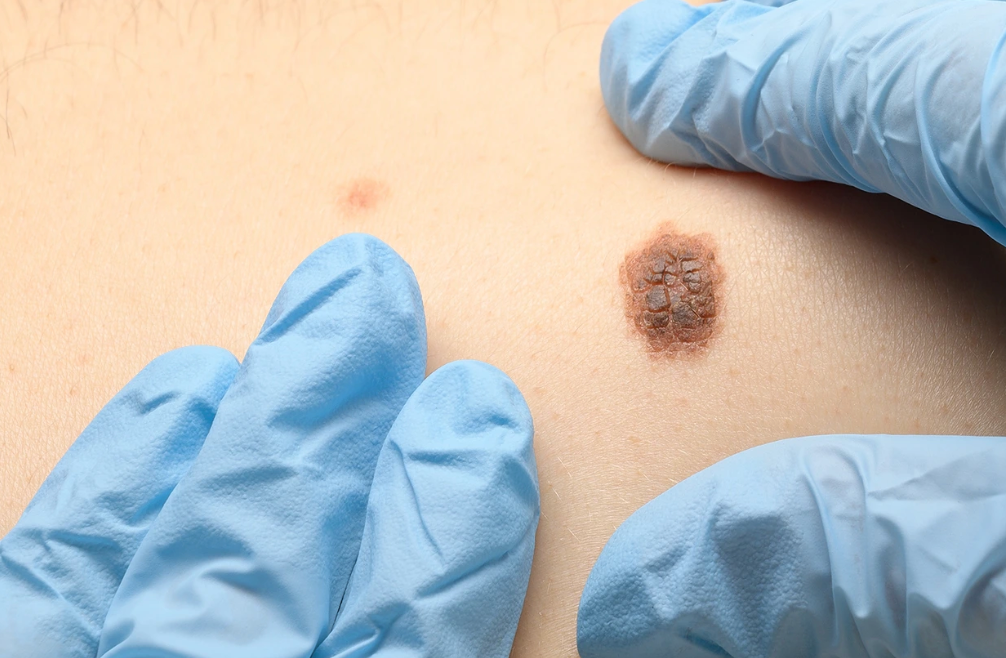
Medical professionals utilize the "ABCDE" rule to help patients categorize suspicious lesions. When performing a self-examination, residents should look for the following characteristics:
- Asymmetry: One half of the mole or birthmark does not match the other.
- Border: The edges are irregular, ragged, notched, or blurred. In early melanoma, the pigment may appear to "leak" into the surrounding skin.
- Color: The color is not uniform. You may see shades of brown or black, sometimes with patches of pink, red, white, or blue.
- Diameter: The spot is larger than 6 millimeters across (about the size of a pencil eraser), although melanomas can sometimes be smaller.
- Evolving: The mole is changing in size, shape, or color. This is often the most critical indicator for those who have many existing moles.
The Role of Subungual and Amelanotic Melanomas
It is a common misconception that melanoma only appears as a dark mole on sun-exposed skin. To maintain comprehensive health standards, one must be aware of atypical presentations:
1. Amelanotic Melanoma: These lesions lack pigment and may appear pink, red, or skin-colored. Because they lack the typical "dark" appearance, they are frequently dismissed as harmless bumps or scars.
2. Subungual Melanoma: These appear as dark streaks under a fingernail or toenail. They are often mistaken for bruising or fungal infections, but any persistent vertical band of pigment in the nail bed warrants professional investigation.
Strategic Takeaways for Residents
To manage your skin health with the same rigor you apply to your professional endeavors, adhere to the following protocols:
- Monthly Self-Surveillance: Use a full-length mirror and a hand mirror to check all areas of the body, including the scalp, the soles of the feet, and between the toes.
- Professional Baseline: Every adult living in Florida should have a baseline skin exam. This allows your Dermatologist to create a "map" of your skin for future comparison.
- UV Management: High-quality, broad-spectrum SPF 30+ is non-negotiable. Combined with UV-protective clothing and avoiding peak sun hours (10 AM to 4 PM), this significantly reduces the risk of new mutations.
- Immediate Action on Change: If a lesion itches, bleeds, crusts, or feels tender, it has moved beyond a cosmetic concern and into the realm of clinical necessity.
Prioritize Your Skin Health Governance
Early detection is the most effective strategy for managing melanoma. For the residents of The Villages and Wildwood, staying ahead of skin cancer is a matter of proactive health governance. If you have noted a changing mole or if it has been more than a year since your last professional evaluation, do not delay. Contact Lumen Dermatology at one of our two convenient locations today to schedule your comprehensive skin cancer screening.