
Can Basal Cell Carcinoma or Squamous Cell Carcinoma turn into Melanoma?
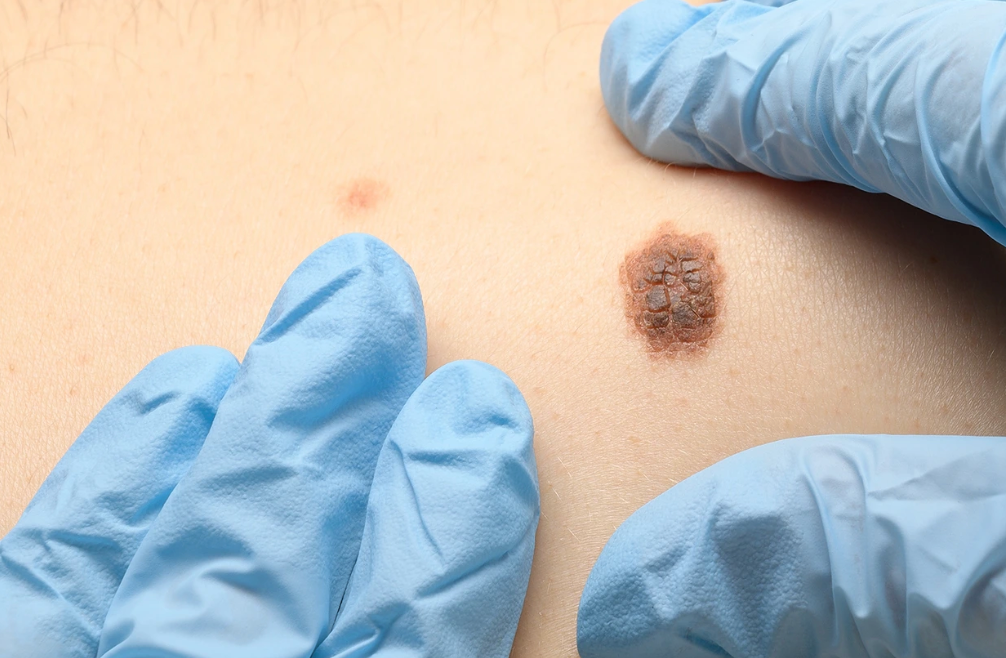
If you have recently been diagnosed with a non-melanoma skin cancer, or if you are monitoring suspicious spots on your skin, you likely have many questions about how these conditions evolve. One of the most common questions our providers at Lumen Dermatology hear is "Can basal cell carcinoma or squamous cell carcinoma turn into melanoma?"
The short answer is, no. Basal cell carcinoma (BCC) and squamous cell carcinoma (SCC) do not "transform" or mutate into melanoma. However, the full answer is more nuanced and involves understanding how skin cancer develops, the shared risk factors between these types, and why having one type of skin cancer significantly increases your risk for others.
Understanding the Difference Between Skin Cancer Types
To understand why one type of skin cancer cannot turn into another, we must look at the specific cells involved. Your skin is composed of different types of cells, and cancer is named based on which cell the mutation begins in.
Basal Cell Carcinoma (BCC) - Basal cell carcinoma is the most common form of skin cancer. It begins in the basal cells, which are located at the bottom of the epidermis (the outermost layer of skin). BCCs often look like open sores, red patches, pink growths, or shiny bumps. They are slow-growing and very rarely spread to other parts of the body.
Squamous Cell Carcinoma (SCC) - Squamous cell carcinoma is the second most common form of skin cancer. It originates in the squamous cells, which make up most of the upper layers of the epidermis. SCCs can appear as scaly red patches, open sores, or elevated growths with a central depression. Unlike BCC, SCC has a slightly higher risk of spreading to local lymph nodes if left untreated.
Melanoma - Melanoma is one of the most dangerous forms of skin cancer. It develops in the melanocytes, the cells responsible for producing pigment (melanin) that gives skin its color. Because melanoma begins in a completely different cell type than BCC or SCC, a basal cell cannot "turn into" a melanocyte-derived cancer.
Why the Confusion Exists: Collision Tumors and Field Cancerization
While BCC and SCC do not turn into melanoma, there are clinical scenarios that can make it appear as though they have.
1. Collision Tumors - In rare cases, two different types of skin cancer can develop right next to each other or even on top of one another. This is known as a "collision tumor." For example, a patient might have a basal cell carcinoma and a melanoma in the exact same location. To the naked eye, it may look like one spot is changing types, but microscopically, they are two distinct cancers growing in tandem.
2. Field Cancerization - In sun-drenched areas like Wildwood and The Villages®, many residents have "field cancerization." This occurs when a large area of skin has been chronically damaged by ultraviolet (UV) radiation. In these "fields" of damaged skin, it is common for multiple types of skin cancers and precancers (actinic keratoses) to pop up independently of one another.
The Real Risk: Shared UV Damage
Even though basal cell carcinoma doesn't turn into melanoma, being diagnosed with BCC or SCC is a major red flag for your future health.
One of the primary causes of all three major skin cancers is exposure to UV radiation from the sun or tanning beds. If you have been diagnosed with a non-melanoma skin cancer, it is proof that your skin has reached a threshold of DNA damage.
Research indicates that individuals who have had non-melanoma skin cancer are at a statistically higher risk of developing melanoma later in life. This isn't because the first cancer "spread" or "changed," but because the environmental factors that caused the BCC or SCC — namely sun damage — are the same factors that trigger melanoma.
Warning Signs: When to Seek a Dermatologist
Because you can have multiple types of skin cancer at once, it is vital to know what to look for. While BCC and SCC often look like sores that won't heal or scaly patches, melanoma follows the ABCDE rule:
A - Asymmetry: One half of the spot does not match the other.
B - Border: The edges are irregular, ragged, or blurred.
C - Color: The color is not uniform and may include shades of brown, black, pink, or red.
D - Diameter: The spot is larger than 6mm (about the size of a pencil eraser).
E - Evolving: The spot is changing in size, shape, or color.
If you notice a "new" growth appearing near a previous skin cancer site, do not assume it is a recurrence of the same type. It requires a professional evaluation and likely a biopsy to confirm the pathology.
Prevention and Monitoring at Lumen Dermatology
Living in Central Florida means our skin is under constant siege from the sun. Whether you are golfing, gardening, or enjoying the Florida lifestyle, your cumulative sun exposure adds up.
For patients who have a history of basal cell or squamous cell carcinoma, we recommend:
1. Professional Skin Exams: At least once or twice a year, depending on your history.
2. Monthly Self-Checks: Use a mirror to check your skin from head to toe.
3. High-SPF Sunscreen: Use a broad-spectrum SPF 30+ daily and SPF 50+ for extended outdoor time, even on cloudy days.
4. UPF Clothing: Incorporate sun-protective clothing into your outdoor wardrobe.
Schedule Your Skin Cancer Screening Today
Understanding the nuances of skin cancer can be life-saving. While a basal cell won't turn into a melanoma, the presence of any skin cancer means your skin requires expert, ongoing surveillance.
At Lumen Dermatology, we specialize in the detection, treatment, and long-term management of all forms of skin cancer. Our team provides comprehensive care to Wildwood and The Villages® community, utilizing the latest diagnostic tools to ensure your skin stays healthy.
Don't wait for a spot to change. Contact Lumen Dermatology at 352-830-1500
today to schedule your comprehensive skin examination. Let us help you stay ahead of skin cancer.