Is Melanoma Hereditary?

Melanoma is a serious form of skin cancer that develops in melanocytes, the cells responsible for producing skin pigment. While excessive exposure to ultraviolet (UV) radiation from the sun or tanning beds is a major risk factor, many people wonder whether melanoma can run in families. The answer is yes—melanoma can be hereditary, although most cases are not directly inherited.
Understanding Hereditary Melanoma
Most melanoma cases occur sporadically, meaning they develop due to a combination of environmental exposures and random genetic changes over time. However, approximately 5–10% of melanomas are considered familial or hereditary. In these cases, inherited genetic mutations increase a person's susceptibility to developing melanoma.
Individuals with hereditary melanoma often have:
- Multiple family members diagnosed with melanoma
- Melanoma diagnosed at a younger age than usual
- Multiple primary melanomas occurring in the same individual
- A family history of certain other cancers, such as pancreatic cancer, breast cancer or brain tumors
Genes Associated with Hereditary Melanoma
Researchers have identified several genes linked to an increased risk of melanoma. The most well-known is the CDKN2A gene, which helps regulate cell growth and division. Mutations in this gene can impair the body's ability to control abnormal cell growth, increasing melanoma risk.
Other genes that may contribute to hereditary melanoma include:
- CDK4
- BAP1
- MITF
- POT1
- TERT
Not everyone who inherits these mutations will develop melanoma, but their lifetime risk is significantly higher than that of the general population.
Signs That Melanoma May Run in Your Family
You may have an increased likelihood of hereditary melanoma if:
- Two or more close relatives have been diagnosed with melanoma
- A family member developed melanoma before age 50
- Multiple melanomas have occurred in one person
- Melanoma and and related cancers such as pancreatic cancer, breast cancer, and brain tumors appear together in the family history
- Family members have numerous atypical or unusual moles
If these patterns are present, genetic counseling may help determine whether genetic testing is appropriate.
Genetic Testing and Counseling
Genetic testing can identify inherited mutations associated with melanoma risk. Before testing, healthcare providers often recommend meeting with a genetic counselor who can:
- Assess family cancer history
- Explain the benefits and limitations of testing
- Interpret test results
- Discuss screening and prevention strategies
Testing is generally considered when there is a strong family history rather than for individuals with a single melanoma diagnosis and no affected relatives.
Reducing Melanoma Risk
Whether melanoma is hereditary or not, preventive measures remain essential:
Protect Your Skin from UV Radiation
- Use broad-spectrum sunscreen with SPF 30 or higher
- Wear protective clothing, hats, and sunglasses
- Seek shade during peak sunlight hours
- Avoid indoor tanning devices
Perform Regular Skin Checks
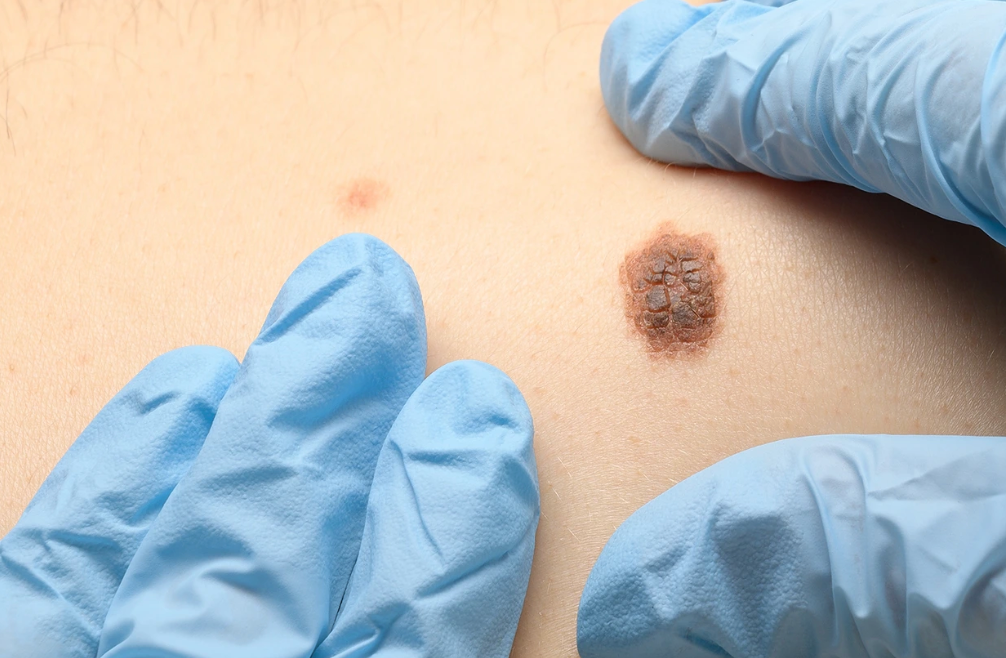
Monitor your skin for changes using the ABCDE rule:
- Asymmetry
- Border irregularity
- Color variation
- Diameter larger than 6 mm (however, some early or evolving melanomas can be smaller)
- Evolving or changing appearance
Schedule Professional Skin Examinations
Individuals with a family history of melanoma may benefit from regular dermatologic screenings and mole mapping.
Living with a Family History of Melanoma
Having a family history of melanoma does not mean you will definitely develop the disease. It simply indicates a higher risk. Early detection and consistent sun protection significantly improve outcomes. People with hereditary risk can often reduce their chances of advanced disease through regular monitoring, lifestyle modifications, and appropriate medical care.
Conclusion
Melanoma can be hereditary, but inherited genetic factors account for only a small percentage of all cases. Families with multiple primary melanoma diagnoses occurring in the same individual, early-onset disease, or associated cancers may benefit from genetic counseling and enhanced screening. Understanding your family history and practicing diligent sun protection are among the most effective ways to safeguard your skin health and detect melanoma early, when treatment is most successful.
If you are looking to address skin concerns or just maintain overall good skin health, look no further than Lumen Dermatology. Lumen Dermatology is a premier destination for advanced skin care and Dermatological expertise. Call us at 352-830-1500 and schedule your consultation today!