Can Melanoma Spread to Other Parts of Your Body?

A diagnosis of melanoma can raise many questions, and one of the most common is, "Can melanoma spread to other parts of my body?" The answer is yes—it can. Melanoma is the most aggressive form of skin cancer because it has the potential to spread beyond the skin if it is not detected and treated early. The good news is that when melanoma is found in its earliest stages, it is often highly treatable. Understanding how melanoma spreads, the warning signs to watch for, and the importance of early treatment can help you make informed decisions about your health.
What Is Melanoma?
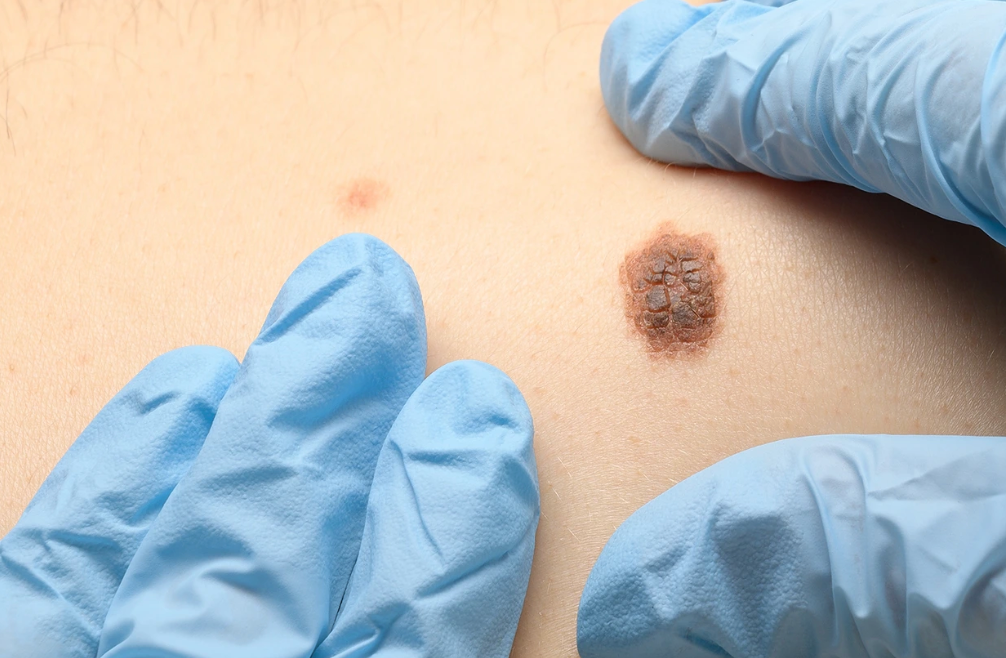
Melanoma is a type of skin cancer that develops in melanocytes, the cells that produce melanin, the pigment that gives your skin its color. Although melanoma is less common than basal cell carcinoma or squamous cell carcinoma, it is considered the most serious because of its ability to spread, or metastasize, to other parts of the body. Melanoma most often develops on the skin, but it can also occur in less common locations, including the eyes, under the nails, and on mucous membranes.
How Does Melanoma Spread?
Cancer spreads when abnormal cells break away from the original tumor and travel to other parts of the body.
Melanoma can spread in two primary ways:
Through the Lymphatic System: The lymphatic system is a network of vessels and lymph nodes that helps fight infection. Melanoma cells can enter these vessels and travel to nearby lymph nodes. This is often the first place melanoma spreads outside the skin.
Through the Bloodstream: Melanoma cells can also enter the bloodstream and travel to distant organs. Once there, they may form new tumors, a process known as metastasis.
Because of these pathways, melanoma has the potential to affect areas far from the original skin lesion.
Where Does Melanoma Commonly Spread?
If melanoma spreads beyond the skin, it may affect several parts of the body. Common sites include:
Lymph Nodes: Nearby lymph nodes are often the first location where melanoma spreads. Enlarged or firm lymph nodes may be a sign that cancer has reached the lymphatic system.
Lungs: The lungs are one of the most common sites of distant melanoma spread. Symptoms may include:
- A persistent cough
- Shortness of breath
- Chest discomfort
- Coughing up blood in rare cases
Liver: Melanoma can spread to the liver, which may cause:
- Abdominal discomfort
- Loss of appetite
- Fatigue
- Unexplained weight loss
- Yellowing of the skin or eyes (jaundice)
Brain: Although less common, melanoma can spread to the brain. Symptoms may include:
- Persistent headaches
- Vision changes
- Difficulty with balance
- Weakness or numbness
- Seizures
- Changes in memory or behavior
Bones: When melanoma spreads to the bones, it may cause:
- Bone pain
- Increased risk of fractures
- Swelling near affected areas
Not everyone with metastatic melanoma experiences symptoms, which is why regular follow-up appointments and imaging studies may be recommended for some patients.
Does Every Melanoma Spread?
No. Many melanomas are diagnosed before they have a chance to spread. When melanoma is detected early and removed before it reaches deeper layers of the skin or other tissues, treatment is often highly successful. In many early-stage cases, surgery alone is enough to remove the cancer.
Several factors influence whether melanoma is likely to spread, including:
- The thickness of the melanoma (Breslow depth)
- Whether the tumor is ulcerated
- How quickly the melanoma cells are dividing
- Whether nearby lymph nodes are involved
- How early the melanoma is diagnosed
The earlier melanoma is detected, the lower the risk of it spreading.
How Do Doctors Determine Whether Melanoma Has Spread?
After a melanoma diagnosis, your healthcare team will determine the stage of the cancer. Staging helps guide treatment and provides information about how far the disease has progressed.
Depending on the characteristics of your melanoma, your doctor may recommend:
Sentinel Lymph Node Biopsy: For certain melanomas, a sentinel lymph node biopsy helps determine whether cancer cells have spread to nearby lymph nodes.
Imaging Tests: If there is concern that melanoma may have spread, imaging studies such as CT scans, PET scans, or MRI scans may be recommended to look for cancer in other parts of the body.
Physical Examinations: Regular examinations allow your healthcare provider to evaluate your skin, lymph nodes, and overall health for any signs of recurrence or spread.
What Are the Symptoms of Advanced Melanoma?
Symptoms depend on where melanoma has spread and may vary from person to person.
Possible symptoms include:
- Persistent fatigue
- Unexplained weight loss
- Enlarged lymph nodes
- Chronic cough
- Difficulty breathing
- Ongoing headaches
- Bone pain
- Abdominal discomfort
- Neurological changes, such as weakness or vision problems
It's important to remember that these symptoms can have many causes besides melanoma. However, if you've been diagnosed with melanoma and develop new or persistent symptoms, contact your healthcare provider promptly.
What Happens If Melanoma Has Spread?
If melanoma has spread beyond the skin, treatment options depend on the stage of the disease, where it has spread, and your overall health.
Your treatment plan may include one or more of the following:
Surgery: If the spread is limited, surgery may be used to remove affected lymph nodes or metastatic tumors.
Immunotherapy: Immunotherapy helps your immune system recognize and attack melanoma cells. It has become one of the most important advances in treating advanced melanoma and may be used after surgery or for melanoma that has spread.
Targeted Therapy: Some melanomas have specific genetic mutations, such as changes in the BRAF gene. If testing shows your melanoma has one of these mutations, targeted therapy may help slow or stop cancer growth.
Radiation Therapy: Radiation may be recommended in certain situations, particularly if melanoma has spread to the brain, bones, or other specific areas.
Clinical Trials: Many patients may also qualify for clinical trials that provide access to new and emerging melanoma treatments. Your oncology team will develop a personalized treatment plan based on your diagnosis and individual needs.
Can Melanoma Come Back After Treatment?
Yes. Even after successful treatment, melanoma can sometimes return, either in the same area, nearby lymph nodes, or another part of the body. Because of this, follow-up care is an essential part of melanoma management.
Your healthcare provider may recommend:
- Regular skin examinations
- Routine lymph node evaluations
- Imaging studies for certain patients
- Self-skin examinations at home
- Lifelong dermatology follow-up
Attending scheduled appointments allows your healthcare team to detect any recurrence as early as possible.
How Can You Reduce Your Risk?
While no one can eliminate the risk entirely, several habits can help protect your skin and improve the chances of early detection.
These include:
- Wearing a broad-spectrum sunscreen with SPF 30 or higher every day
- Reapplying sunscreen during prolonged outdoor activities
- Wearing protective clothing, hats, and sunglasses
- Seeking shade during peak sun hours
- Avoiding tanning beds
- Performing monthly skin self-exams
- Scheduling routine skin checks with a Dermatologist, especially if you've had melanoma before
If you notice a new mole or changes in an existing one, don't wait to have it evaluated.
The Importance of Early Detection
The single most important factor in melanoma outcomes is early detection. When melanoma is found before it spreads, treatment is often straightforward and highly successful. Once it reaches lymph nodes or distant organs, treatment becomes more complex, although significant advances in immunotherapy and targeted therapies have greatly improved outcomes for many patients. Knowing your skin, paying attention to changes, and seeking prompt medical care for suspicious lesions can make a life-saving difference.
If you've been diagnosed with melanoma, regular follow-up care, protecting your skin from further sun damage, and working closely with your healthcare team are essential. With today's advances in melanoma treatment, many patients—even those with more advanced disease—have more effective treatment options than ever before. If you notice a suspicious mole or changes in your skin, don't delay seeking evaluation. Early diagnosis remains one of the most powerful tools in preventing melanoma from spreading and protecting your long-term health. Don't wait! Call Lumen Dermatology at 352-830-1500 and schedule your consultation today. Lumen Dermatology supports early skin cancer detection through comprehensive and thorough screenings, helping patients receive prompt diagnosis and treatment for the best possible outcomes.