October 30, 2026
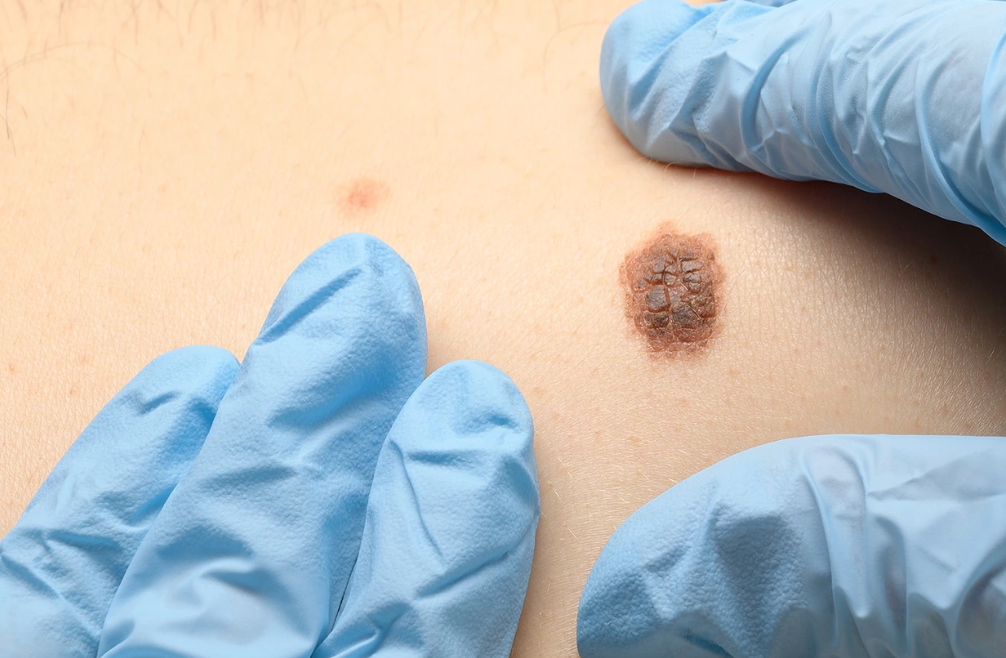
Your skin plays an important role in protecting your body, but years of sun exposure and other environmental factors can sometimes lead to skin cancer. One of the most common types is squamous cell carcinoma (SCC) , a form of skin cancer that develops in the squamous cells of the skin's outer layers. Although squamous cell carcinoma is often highly treatable when detected early, it can grow deeper into surrounding tissues and occasionally spread to other parts of the body if left untreated. Understanding what causes this type of skin cancer, recognizing the warning signs, and knowing when to see a Dermatologist can help you protect your skin health. What Is Squamous Cell Carcinoma? Squamous cell carcinoma is the second most common type of skin cancer. It develops when squamous cells, which make up much of the skin's outer layer, begin to grow abnormally. SCC most often appears on areas of the body that receive frequent sun exposure, including the face, ears, scalp, neck, arms, and hands. However, it can also develop in areas that receive little or no sunlight. Squamous cell carcinoma may appear as a rough, scaly patch, a firm red bump, an open sore that does not heal, or a growth that develops a crust or bleeds. Because these spots can resemble harmless skin conditions, a professional examination is important if you notice a persistent or changing lesion. What Causes Squamous Cell Carcinoma? Squamous cell carcinoma develops when DNA damage causes skin cells to grow uncontrollably. Several factors can contribute to this damage, but ultraviolet (UV) radiation from the sun and tanning beds is the leading cause of most cases. 1. Long-Term Sun Exposure Repeated exposure to ultraviolet radiation can damage the DNA in skin cells. Over time, this damage can accumulate and increase the risk of skin cancer. People who spend significant time outdoors, especially without adequate sun protection, may have a greater risk of developing SCC. Sun exposure during everyday activities can contribute to cumulative UV damage, even when you don't experience a sunburn. 2. Indoor Tanning Tanning beds and other indoor tanning devices expose the skin to UV radiation that can damage skin cells. Using indoor tanning equipment increases the risk of skin cancer, including squamous cell carcinoma. Avoiding tanning beds is an important step in reducing preventable UV exposure. 3. A History of Sunburns Severe or repeated sunburns can damage the skin and increase the risk of developing skin cancer. However, you don't have to experience sunburns to develop SCC. Cumulative UV exposure over many years can also contribute to the disease. Protecting your skin consistently is important, regardless of whether you burn easily. 4. Fair Skin and Certain Physical Characteristics People with fair skin, light-colored eyes, blonde or red hair, and skin that freckles or burns easily often have a higher risk of UV-related skin cancer. However, squamous cell carcinoma can affect people of every skin tone. People with darker skin may also develop SCC, and suspicious lesions should never be ignored because of skin color. 5. A Weakened Immune System Your immune system helps identify and control abnormal cells. When immune function is reduced, the body may be less effective at controlling cancerous changes in the skin. People who have received organ transplants or take certain immunosuppressive medications may have a higher risk of developing SCC. Individuals with certain immune system disorders may also be at increased risk. 6. Age and Previous Skin Damage The risk of squamous cell carcinoma generally increases with age because UV damage can accumulate over time. Previous skin cancers, precancerous lesions such as actinic keratoses, and a history of extensive sun exposure can also increase your risk. SCC can still occur in younger adults, so it's important to pay attention to changes in your skin at any age. What Does Squamous Cell Carcinoma Look Like? Squamous cell carcinoma can have several different appearances. Common warning signs include: A rough, scaly, or crusted patch of skin. A firm red bump that continues to grow. A sore that repeatedly opens, bleeds, or does not heal. A wart-like growth that becomes irritated or painful. A raised lesion with a central depression or crust. These changes do not automatically mean you have skin cancer. However, a spot that persists, grows, bleeds, or changes should be evaluated by a qualified healthcare professional. A Dermatologist may examine the lesion and perform a skin biopsy to determine whether cancer is present. Is Squamous Cell Carcinoma Dangerous? Squamous cell carcinoma is often treatable, particularly when detected early and confined to the skin. However, SCC can grow into deeper tissues and, in some cases, spread to nearby lymph nodes or distant parts of the body. The risk of aggressive behavior depends on factors such as tumor size, depth, location, microscopic features, and the patient's immune status. Early evaluation and appropriate treatment can help reduce the risk of complications. How Is Squamous Cell Carcinoma Treated? Treatment depends on the size, location, depth, and characteristics of the cancer. Common treatment options include: Surgical excision: The cancer is removed along with a margin of surrounding tissue. Mohs surgery: The surgeon removes the cancer in stages and examines the tissue under a microscope during the procedure to preserve as much healthy tissue as possible. This may be particularly useful for cancers in areas where preserving healthy tissue is important. Curettage and electrodesiccation: Selected superficial or low-risk lesions may be scraped away and treated with an electrical instrument to destroy remaining cancer cells. Radiation therapy: SRT-100 Vision - This innovative technology delivers targeted, low-dose radiation to treat cancerous cells while helping preserve surrounding healthy tissue. For eligible patients, it may offer an alternative to surgery, with no incisions and minimal downtime. Additional treatments: More advanced cases may require specialized treatments, including certain immunotherapy medications. How Can You Reduce Your Risk of Squamous Cell Carcinoma? Although not every case can be prevented, protecting your skin from UV radiation can significantly reduce your risk. Consider these everyday habits: Apply broad-spectrum sunscreen with SPF 30 or higher to exposed skin. Reapply sunscreen approximately every two hours when outdoors and after swimming or sweating. Wear protective clothing, a wide-brimmed hat, and sunglasses. Seek shade, especially when UV radiation is strongest. Avoid tanning beds and intentional tanning. Check your skin regularly for new, changing, or unusual spots. Schedule professional skin examinations based on your personal risk factors and your Dermatologist's recommendations. Consistency matters. Protecting your skin throughout the year can help reduce cumulative UV damage. Protect Your Skin and Your Health Squamous cell carcinoma is a common form of skin cancer, and long-term UV exposure is its leading cause. While the diagnosis can be concerning, many cases are highly treatable when identified early. Knowing the risk factors, recognizing potential warning signs, practicing consistent sun protection and regular skin cancer exams with a dermatology medical provider can help you take an active role in your skin health. If you notice a spot that is growing, changing, bleeding, painful, failing to heal, suspicious or persistent, don't ignore it or wait for the lesion to become painful or larger. A professional evaluation with a dermatology medical provider can help determine what the spot is and whether treatment is needed. At Lumen Dermatology, the focus is on identifying suspicious skin changes, providing appropriate evaluation and treatment, and helping patients develop personalized plans for long-term skin health. So, don't wait! Call Lumen Dermatology at 352-830-1500 and schedule your consultation today! Medical disclaimer: This article is for educational purposes only and does not replace professional medical advice, diagnosis, or treatment. Consult a qualified healthcare professional for concerns about your skin or your individual risk of skin cancer.