What Can Double Your Risk of Melanoma?

Melanoma is a serious form of skin cancer that develops from pigment-producing cells called melanocytes. Although melanoma is less common than some other types of skin cancer, it can be more aggressive, making prevention and early detection especially important.
But what can increase your chances of developing melanoma—and are there factors that can actually double your risk?
The answer is yes. Several factors are associated with substantially higher melanoma risk, including certain patterns of sun exposure, a history of indoor tanning, having many moles, and having a close relative who has had melanoma.
Understanding these risk factors can help you make informed choices about protecting your skin and knowing when to speak with a healthcare professional.
A History of Indoor Tanning
One of the most important avoidable risk factors for melanoma is exposure to ultraviolet (UV) radiation from indoor tanning beds.
Tanning beds and sun lamps expose the skin to UV radiation, which can damage DNA in skin cells. Research has linked indoor tanning with an increased risk of melanoma, particularly when exposure begins at a younger age.
There is no such thing as a “safe” indoor tan. A tan is a sign that the skin has responded to UV radiation, and repeated exposure can contribute to cumulative skin damage.
Frequent or Intense Sun Exposure
UV radiation from the sun is another major risk factor for melanoma.
A history of intense, intermittent sun exposure—particularly exposure that results in sunburns—can increase melanoma risk. Childhood and teenage sunburns may be especially important because UV damage accumulates over a person's lifetime.
Spending time outdoors does not mean you have to avoid the sun completely. Instead, protect your skin by seeking shade, wearing protective clothing, using sunscreen, and avoiding prolonged exposure when UV levels are high.
Having Many Moles
The number and type of moles on your skin can also affect your melanoma risk.
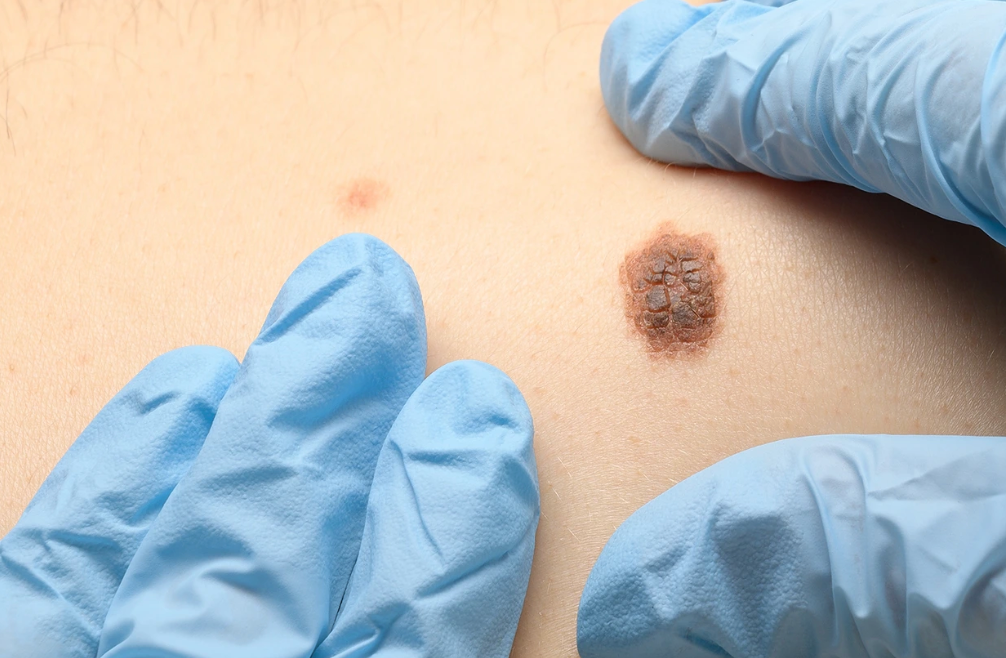
People with numerous ordinary moles have a higher risk of melanoma than people with few moles. Certain atypical or unusual-looking moles can also be associated with increased risk.
This is one reason it can be helpful to become familiar with your skin. If you notice a mole that changes or looks distinctly different from your other spots, have it evaluated by a healthcare professional.
A Family History of Melanoma
Genetics can play a role as well.
Having a close family member who has had melanoma can increase your risk. In some families, inherited genetic changes can contribute to a particularly high risk of developing melanoma.
A family history does not mean that you will develop melanoma. However, it may mean that you should be especially attentive to changes in your skin and discuss your individual risk with a dermatologist.
Fair Skin and Certain Physical Characteristics
Some people naturally have less protection against UV-related skin damage.
Melanoma risk is higher among people with characteristics such as fair skin that burns easily, light-colored eyes, and blond or red hair. People who freckle easily may also have increased risk.
Importantly, people of every skin tone can develop melanoma. Darker skin does not eliminate the risk, and melanoma can sometimes develop in areas that receive little sun exposure, including the palms, soles, and underneath the nails.
Previous Skin Cancer
Having had melanoma or another type of skin cancer can increase the likelihood of developing melanoma in the future.
Anyone who has previously been diagnosed with skin cancer should follow their healthcare professional's recommendations for skin examinations and monitoring.
Can You Have More Than One Risk Factor?
Yes. Risk factors can overlap.
For example, someone with many moles who also has a family history of melanoma and a history of significant UV exposure may have a higher overall risk than someone with only one of these factors.
Risk is not a guarantee, however. Having a risk factor does not mean you will develop melanoma, and not having known risk factors does not mean you cannot develop it.
What Can You Do to Lower Your Risk?
You cannot change factors such as your genetics, family history, or natural skin characteristics. But there are steps you can take to reduce avoidable UV exposure.
Consider:
- Avoiding indoor tanning.
- Using a broad-spectrum sunscreen with SPF 30 or higher.
- Reapplying sunscreen as directed, especially after swimming or sweating.
- Wearing protective clothing and a wide-brimmed hat.
- Seeking shade when UV radiation is strongest.
- Avoiding intentional tanning and minimizing sunburns.
- Becoming familiar with your skin so you can recognize new or changing spots.
Know Your Personal Risk
There is no single factor that determines whether someone will develop melanoma. Your overall risk depends on a combination of genetics, skin characteristics, UV exposure, medical history, and other factors.
If you have multiple melanoma risk factors—or simply have a mole or spot that concerns you—consider talking with a dermatologist. They can help determine how often your skin should be examined and whether you need additional monitoring.
The Bottom Line
Several factors can significantly increase melanoma risk, and some are preventable. UV exposure, indoor tanning, having numerous or atypical moles, and a family history of melanoma are among the important risk factors to know about.
The good news is that you can take meaningful steps to protect your skin. Avoiding indoor tanning, reducing UV exposure, and paying attention to changes in your skin can all be part of a smart approach to melanoma prevention and early detection.
So, if you are looking for a comprehensive array of advanced Dermatological services, come see us at Lumen Dermatology. We are committed to delivering exceptional, personalized skin care tailored to each patient’s needs. Our experienced team provides comprehensive care for a wide range of skin concerns, including advanced, non-invasive treatment options for skin cancer. With a strong focus on patient-centered care, we take the time to listen, educate, and provide expert guidance—ensuring every patient feels confident, comfortable, and well cared for throughout their treatment journey. Call us at 352-830-1500 and schedule your consultation today!
If you'd like, I can also make it more luxurious, more medical/professional, or more SEO-focused for a dermatology website.