Can You Get Skin Cancer If You Don't Spend Much Time in the Sun?

When we think about skin cancer, we often picture someone who spends hours sunbathing, works outdoors or has a history of sunburn. But what if you rarely sit in the sun? Can you still develop skin cancer? The answer is yes. Although ultraviolet (UV) radiation from the sun is a major risk factor for skin cancer, you don't have to be a sun worshipper to be affected. Skin cancer can develop in people who spend very little time outdoors, and understanding why is an important part of protecting your skin.
How Can You Get Skin Cancer With Limited Sun Exposure?
There are several reasons why someone who avoids the sun can still develop skin cancer.
1. Everyday UV exposure
You don't need to spend hours at the beach to receive UV exposure. Small amounts can accumulate through everyday activities, including walking to your car, gardening, sitting near windows and running errands. UVA rays can penetrate glass, meaning exposure can occur even while driving or sitting beside a sunny window.
2. Previous sun damage
Skin damage can accumulate over many years. Even if you now avoid the sun, exposure during childhood, teenage years and adulthood may contribute to your future risk. Previous sunburns, particularly blistering sunburns, are also associated with an increased risk of melanoma.
3. Genetics and family history
Your genetic background can influence your susceptibility to skin cancer. Having a close family member who has had melanoma can increase your risk. People with fair skin, light eyes, red or blonde hair, and skin that burns easily may also have a higher risk, although skin cancer can affect people of every skin tone.
4. Other risk factors
Age, certain medical conditions, a weakened immune system, previous skin cancers and exposure to artificial UV sources such as tanning beds can also increase risk.
What Are the Signs of Skin Cancer?
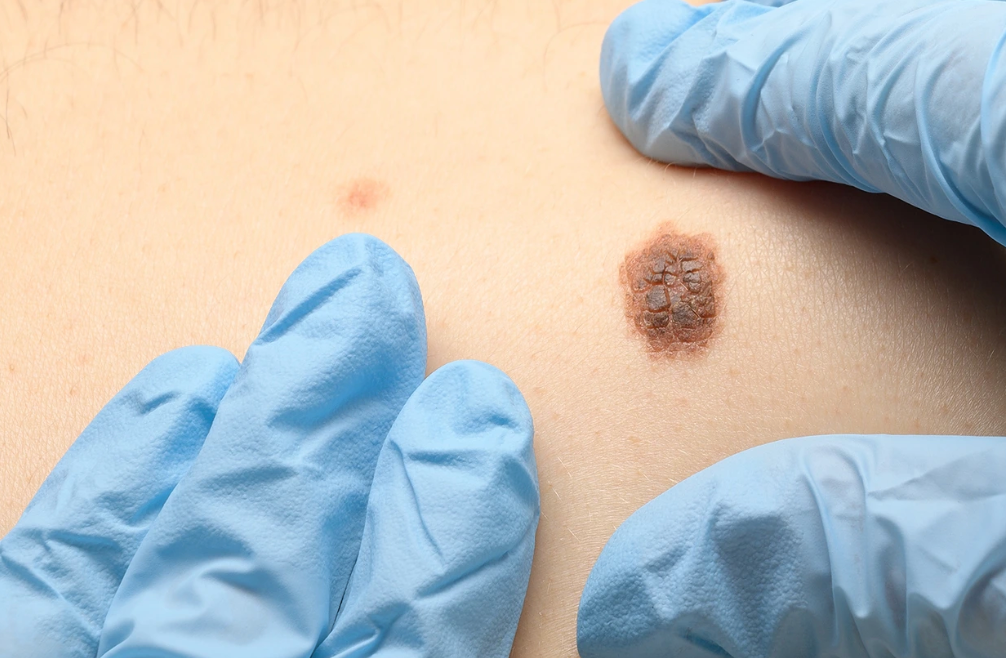
Skin cancer doesn't always look like an obvious or unusual mole. It can appear in different forms, including a new growth, a changing spot or a sore that doesn't heal.
Look out for:
- A mole that changes in size, shape or colour.
- A new or unusual-looking spot.
- A sore that repeatedly bleeds or doesn't heal.
- A rough, scaly or crusty patch.
- A growth that looks shiny, pearly or raised.
- A spot that itches, hurts or changes over time.
A useful guide for checking moles is the ABCDE rule:
- A – Asymmetry: One half looks different from the other.
- B – Border: The edges are irregular or uneven.
- C – Colour: There are different shades or colours.
- D – Diameter: Often larger than 6mm, although melanomas can be smaller.
- E – Evolving: The mole changes in appearance, size, shape or colour.
Not every skin cancer follows these signs, so any suspicious or changing lesion should be assessed by a healthcare professional.
Can You Get Skin Cancer in Areas That Rarely See the Sun?
Yes. Skin cancer can develop in areas that receive relatively little sun exposure, including the scalp, soles of the feet, palms, between the toes and underneath the nails. This is one reason why regular skin checks are important, even if you don't consider yourself someone who spends much time in the sun.
How Can You Protect Your Skin?
Even if you have limited sun exposure, protecting your skin remains important.
Simple preventative measures include:
- Applying broad-spectrum SPF 30 or higher to exposed skin.
- Reapplying sunscreen every two hours when outdoors, and after swimming or sweating.
- Wearing protective clothing, sunglasses and a wide-brimmed hat.
- Seeking shade when UV levels are high.
- Avoiding tanning beds.
- Checking your skin regularly for new or changing spots.
- Arranging a professional skin examination with a Dermatology medical provider if you notice anything unusual.
Remember, sunscreen is just one part of sun protection, not a guarantee against skin cancer. You don't have to spend hours in the sunshine to be at risk of skin cancer. Everyday UV exposure, previous sun damage, genetics and other risk factors can all play a role. The most important thing is not to assume you're protected simply because you avoid sunbathing or spend most of your time indoors. Get to know your skin, protect it every day and never ignore a spot that looks different or doesn't heal. When it comes to skin cancer, early detection can make a significant difference. If you notice something unusual, don't wait for it to disappear. Have it checked. Booking a Dermatology appointment is an important step towards maintaining healthy skin and addressing any concerns. A professional assessment can help identify potential issues and provide personalized advice and treatment options to support your skin's health. So, don wait! Call Lumen Dermatology today at 352-830-1500 and schedule your consultation today!